The Best Foods to Help Your Baby Sleep
In partnership with Nanit
We all know that a good night’s sleep is golden – for babies and for parents! But did you know that certain foods can help set the stage for more restful nights?
I’ve spent over three decades supporting families with delicious, nutritious recipes and easy-to-follow advice, and now, together with Dr. Natalie Barnett, VP of Clinical Research at Nanit, we’re here to help set the whole family up for a good night’s sleep.
While there’s no magic food that guarantees 12 hours straight (oh, if only!), including the right nutrients in your baby’s diet – especially that last meal of the day – can gently support better sleep.
Here are my top sleep-friendly foods and tips to help settle your little one at bedtime.
1. Bananas - nature's bedtime snack
Bananas are rich in magnesium and potassium – both natural muscle relaxants. They also contain tryptophan, which the body uses to make serotonin and melatonin, the hormones that promote sleep. A mashed banana with a little full-fat Greek yoghurt makes a perfect pre-bedtime pud.
2. Oats - a gentle source of melatonin
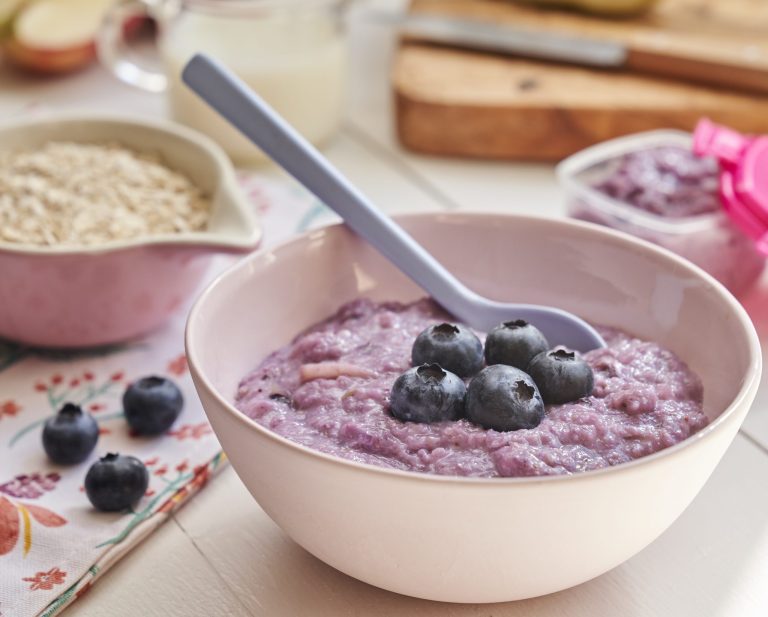
Oats aren’t just for breakfast! They contain melatonin and complex carbs that help more tryptophan get into baby’s brain. A warm bowl of porridge can offer some comfort for babies from 6 months. Add spoonful fruit puree and nut butter for added flavour and nutrition.
3. Turkey or chicken - tryptophan boosters
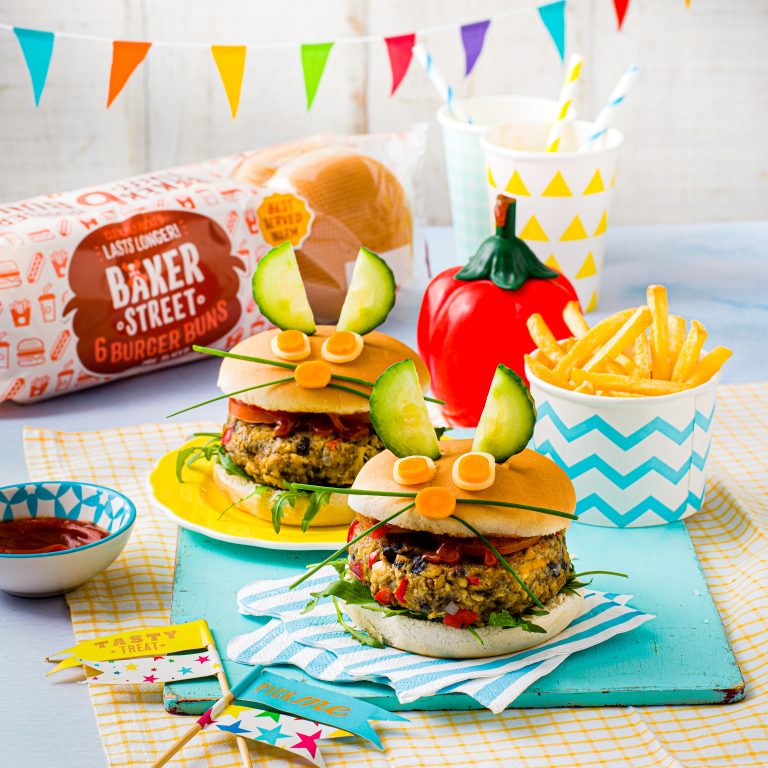
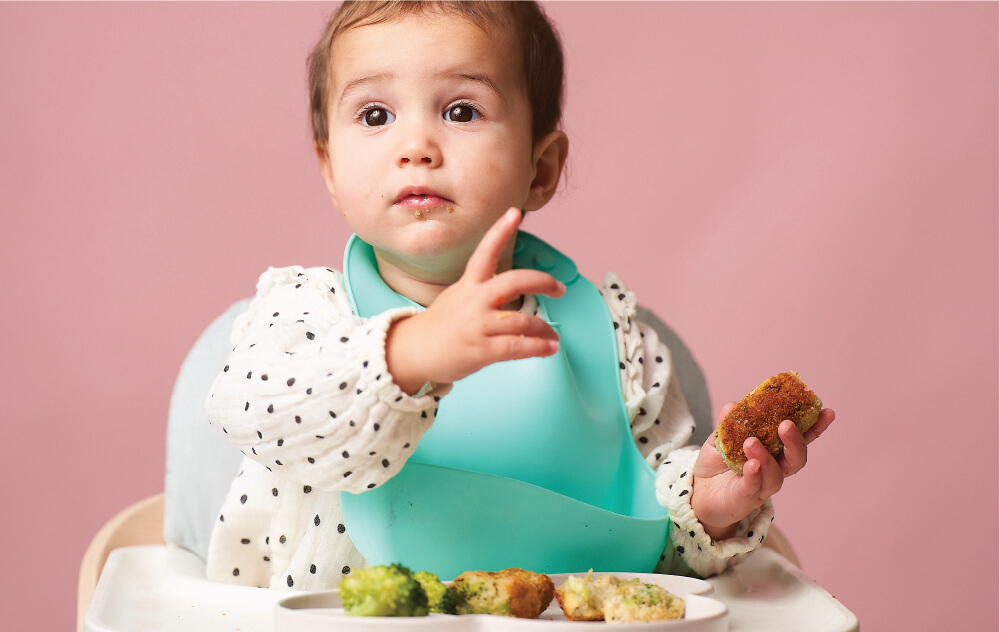
From 6 months, not only is turkey or chicken is a great source of protein, it also contains tryptophan, which the body converts to calming serotonin. Pair with sweet potato for a simple, sleep-friendly supper. Or for those babies having finger foods, try making your own mini turkey balls or burgers served with sweet potato wedges.
4. Sweet potatoes - slow-release energy
A brilliant choice for baby’s dinner, sweet potatoes are packed with beta-carotene and provide a gentle, steady release of energy through the night—ideal for avoiding hunger-induced wake-ups. Simply mash, blend into veggie-rich purees or serve as steamed or roasted wedges.
5. Dairy - calming calcium
Full-fat dairy products like cheese or plain yoghurt contain calcium, which helps the brain use tryptophan to make melatonin. A few teaspoons of plain or Greek yoghurt after dinner can hit just the (sleepy) spot!
6. Cherries - a natural source of melatonin
This fruit is a natural source of melatonin. Blend fresh cherries (or you can get frozen if they aren’t in season) and stir into porridge or yoghurt to offer a gentle sleep aid.
7. Salmon - brilliant brain food
Salmon is one of the best sources of the long-chain omega-3 fatty acids EPA and DHA. Not only do these essential fatty acids play a critical role in your baby’s brain and visual development, but research has found that DHA also increases serotonin levels which could help your baby to nod-off naturally.
8. Leafy greens - power-packed tryptophan
We all know the importance of including those power-packed leafy green veggies in our little one’s diets. The bonus is that dark leafy greens such as spinach are also high in tryptophan and magnesium which plays a role in calming the nervous system and regulating sleep.
What to avoid
Avoid giving baby a big meal too close to starting the bedtime routine. Babies have tiny tummies, and a big meal will cause their metabolic rate and body temperature to increase which will make it harder for them to drift off. Aim to offer their dinner 1 ½ – 2 hours before bedtime to give them the chance to fully digest their food.
Avoid sugar and stimulating snacks too close to bed – even natural sugars can be energising close to sleep time.
Top sleep tips from Natalie Barnett, VP of Clinical Research at Nanit
Pre-weaning babies
Time the last feed well
Offer a full milk feed 15–30 minutes before bedtime so baby settles with a full tummy – with enough time to reduce spit-up or discomfort.
Don’t let feeding be the only way to fall asleep
Feeding is soothing, but if baby always falls asleep on the bottle/breast, they may struggle to resettle at night. From around 3 months, try adding a short wind-down (song or quick story) and put them down drowsy but awake.
Weaning babies
Keep meals and milk on a steady schedule
Regular milk feeds and mealtimes help set baby’s body clock and support better nights. Consistency is key – tools like Nanit’s Next Nap can help keep the day on track.
Watch for tummy trouble
Gas, reflux or sensitivities can interrupt sleep. If baby seems uncomfortable, speak to your GP – and remember, night waking isn’t always hunger.
Night waking isn’t always about food
From around 4–6 months, many babies wake out of habit or for comfort. Respond gently, and if it’s right for your baby, gradually reduce night feeds to encourage longer stretches of sleep.
Every baby is different. Sleep patterns shift with age, teething, growth spurts, and changes in routine. But nourishing your little one with the right foods can gently support their natural rhythms – and give you both a better shot at restful nights.
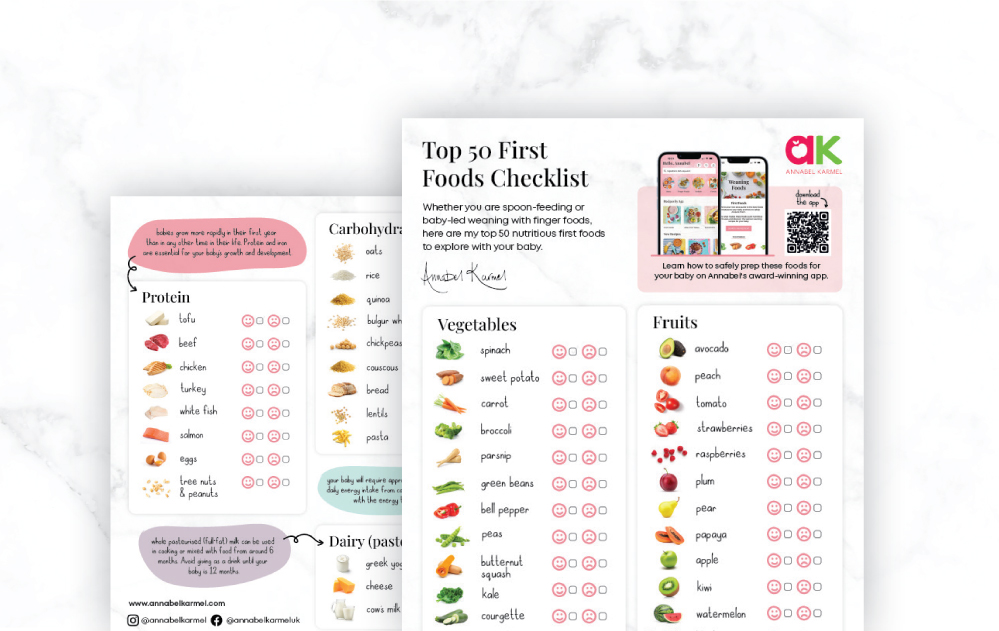
For more sleep-friendly recipes and expert advice, explore the Annabel Karmel Recipes App. And check out Nanit for smart tools like Next Nap to help track routines and support better sleep.